


The kitchen has evolved far beyond its traditional role as merely a place to prepare meals. Today, it stands as the heart of the home—a multifunctional space where families gather, friends socialize, and culinary creativity flourishes. Whether you’re planning a complete renovation or looking to refresh your existing space, thoughtful interior design can transform your kitchen into a beautiful, efficient, and welcoming environment that reflects your personal style while meeting your practical needs.
Understanding Your Kitchen’s Potential
Before diving into specific design ideas, it’s essential to assess your kitchen’s current state and envision its possibilities. Consider how you use your kitchen daily. Are you an avid cook who needs professional-grade appliances and ample prep space? Do you entertain frequently and need room for guests to mingle? Is your kitchen a homework station for children or a casual dining area? Understanding your lifestyle will guide every design decision you make.
The size and layout of your kitchen will naturally influence your design options, but even the smallest spaces can be optimized with clever planning. Take inventory of what works and what doesn’t in your current setup. Perhaps the workflow between your refrigerator, sink, and stove feels awkward, or maybe you’re constantly running out of counter space. Identifying these pain points early will ensure your redesign addresses real functional needs alongside aesthetic desires.
Color Schemes That Set the Mood
Color profoundly impacts the atmosphere of any room, and the kitchen is no exception. The right palette can make a small kitchen feel spacious, a dark kitchen feel bright, or a cold kitchen feel warm and inviting.
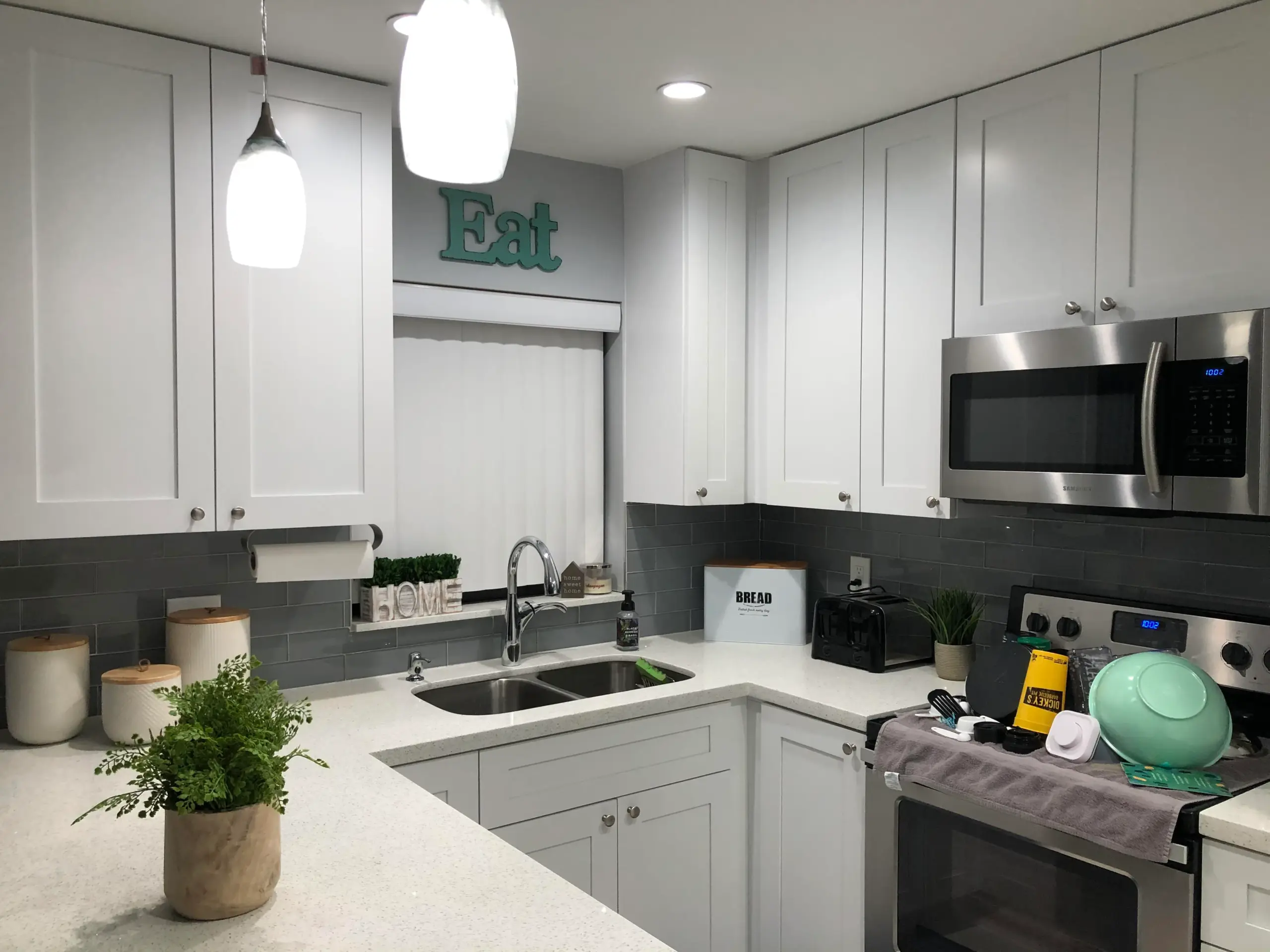
White kitchens remain perennially popular for good reason. They create an illusion of space, reflect light beautifully, and provide a clean, timeless backdrop that works with virtually any accent color or style. However, all-white doesn’t have to mean sterile or boring. Layering different shades of white and cream, incorporating varied textures like subway tiles, marble countertops, and painted cabinets, and adding warmth through natural wood elements can create depth and interest.
For those seeking more drama, deep, saturated colors are making a strong comeback. Navy blue cabinets exude sophistication and pair beautifully with brass or gold hardware. Forest green brings an organic, calming quality that connects the indoors with nature. Charcoal gray offers a modern, urban aesthetic that serves as a neutral backdrop while making a bold statement. These darker hues work particularly well in kitchens with abundant natural light or when balanced with lighter elements like white countertops or open shelving.
Two-tone kitchens offer the best of both worlds. Consider pairing dark lower cabinets with lighter upper cabinets to create visual interest while preventing the space from feeling too heavy. Alternatively, use a bold color on an island while keeping perimeter cabinets more subdued. This approach allows you to experiment with color without overwhelming the space.
Warm, earthy tones are also trending, with terracotta, sage green, and warm beiges creating cozy, inviting atmospheres. These colors work exceptionally well in kitchens aiming for a Mediterranean, farmhouse, or organic modern aesthetic.
Cabinet Styles and Storage Solutions
Cabinets occupy significant visual real estate in any kitchen, making their style and functionality crucial to your overall design.
Shaker-style cabinets continue to dominate kitchen design due to their versatility and timeless appeal. Their simple, recessed panel design works equally well in traditional, transitional, and modern settings. For a more contemporary look, consider flat-panel or slab cabinets with minimal hardware, which create clean, streamlined surfaces that emphasize horizontal lines.
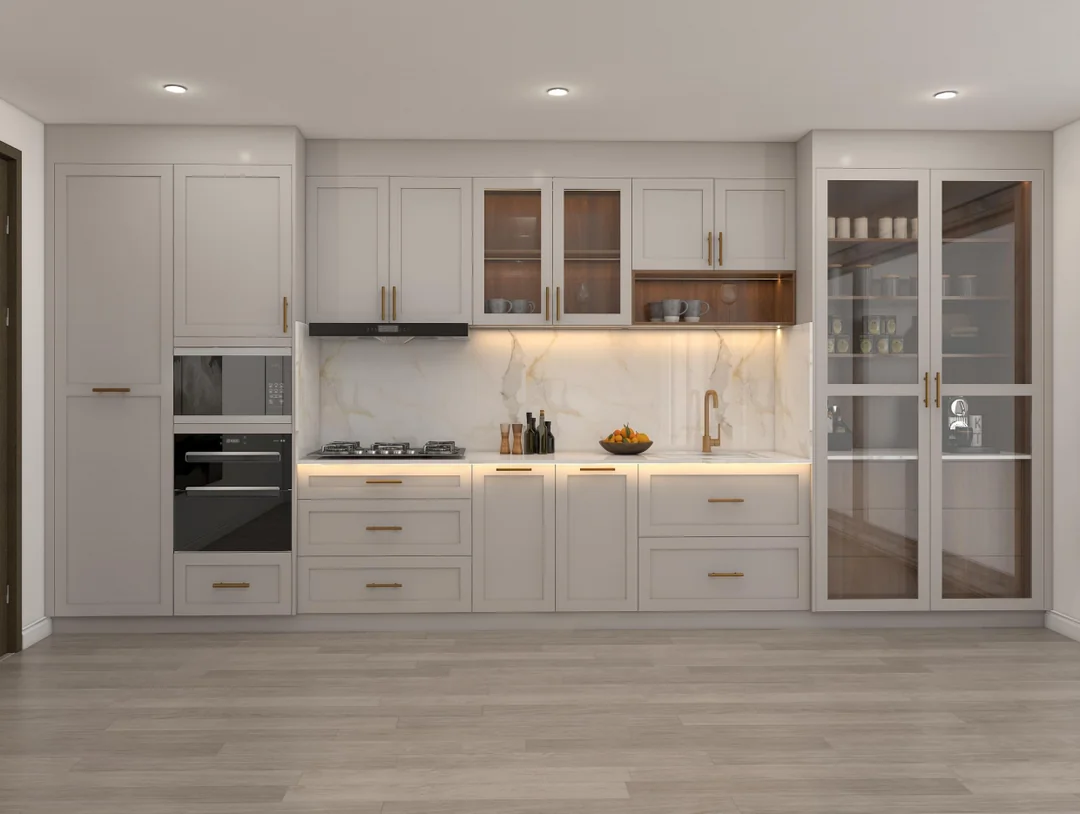
Glass-front cabinets add an elegant touch while breaking up solid runs of cabinetry. They’re perfect for displaying attractive dishware, glassware, or collectibles. However, they do require more maintenance since the contents remain visible. Frosted or textured glass offers a compromise, providing visual interest while obscuring the view of everyday items.
Open shelving has gained tremendous popularity in recent years, and for good reason. Removing upper cabinets creates an airier, more spacious feel and provides an opportunity to display beautiful dishes, cookbooks, and decorative objects. However, open shelving requires discipline and regular maintenance to avoid looking cluttered. It works best when combined with closed storage for less attractive necessities.
Storage optimization is where kitchen design truly impacts daily life. Deep drawers with dividers keep pots, pans, and utensils organized and accessible. Pull-out shelves in lower cabinets eliminate the need to crouch and dig for items at the back. Corner cabinets with lazy Susans or pull-out systems maximize awkward spaces. Vertical dividers keep baking sheets and cutting boards neatly stored. Integrated spice racks, knife blocks, and appliance garages keep counters clear while maintaining easy access to frequently used items.
Countertop Choices That Balance Beauty and Function
Countertops serve as both work surfaces and visual focal points, making material selection a critical design decision.
Quartz has become increasingly popular due to its durability, low maintenance, and wide range of colors and patterns. Unlike natural stone, quartz doesn’t require sealing and resists staining, making it ideal for busy kitchens. Modern quartz slabs can convincingly mimic marble, concrete, or other materials while offering superior performance.
Natural stone options like granite, marble, and quartzite each bring unique character. Granite offers incredible durability and a vast array of colors and patterns. Marble provides unmatched elegance with its distinctive veining, though it requires more maintenance and is prone to etching from acidic substances. Quartzite combines marble-like beauty with granite-like durability, making it an excellent compromise for those who love the look of marble but need more practical performance.
For those seeking warmth and character, butcher block countertops offer a beautiful, organic option. They’re particularly suitable for food preparation and can be sanded and refinished over time. However, they require regular oiling and aren’t ideal near sinks or in high-moisture areas.
Concrete countertops appeal to those desiring an industrial or ultra-modern aesthetic. They can be customized with various colors, aggregates, and finishes, and are extremely durable when properly sealed. Similarly, stainless steel countertops create a professional, restaurant-quality appearance and are virtually indestructible.
Mixing countertop materials can add visual interest and functionality. Consider using butcher block on an island for food prep while maintaining quartz or granite on perimeter counters. This approach allows you to enjoy the benefits of different materials while creating zones within your kitchen.
Backsplash Ideas That Add Personality
The backsplash protects your walls from splashes and stains while offering an excellent opportunity to inject personality and visual interest into your kitchen design.
Classic subway tile remains a perennial favorite due to its versatility and timeless appeal. While traditional white subway tile laid in a running bond pattern is beautiful, don’t be afraid to experiment. Try colored subway tiles, stack them vertically instead of horizontally, or use a herringbone or chevron pattern for added interest. Contrasting grout colors can dramatically change the look—white tiles with dark grout create a graphic, modern effect, while tonal grout maintains a seamless appearance.
Large-format tiles or slabs create a sleek, contemporary look with minimal grout lines. Porcelain slabs can mimic marble, concrete, or other materials while offering superior durability and easier maintenance. This approach works particularly well in modern or minimalist kitchens where clean lines are paramount.
Patterned tiles, whether geometric, Moroccan-inspired, or hand-painted, serve as functional art. They can transform a simple kitchen into something special, though they work best when balanced with simpler cabinet and countertop choices to avoid visual overwhelm. Consider using patterned tiles as a focal point behind the stove while keeping the rest of the backsplash more subdued.
Natural stone backsplashes, particularly when matched to stone countertops, create a luxurious, cohesive look. Marble slabs with dramatic veining can serve as stunning focal points, while stacked stone adds texture and dimension.
For budget-friendly options, consider painted glass panels, which come in any color imaginable and are easy to clean. Alternatively, high-quality peel-and-stick tiles have improved dramatically and can be an excellent solution for renters or those seeking temporary updates.
Lighting: Layering for Function and Ambiance
Proper lighting is essential in kitchens, where tasks require precision and safety is paramount, yet ambiance remains important for creating a welcoming atmosphere.
Start with ambient lighting that provides overall illumination. This typically comes from recessed ceiling lights, flush-mount fixtures, or pendant lights over islands. Ensure this layer provides adequate brightness without creating harsh shadows or glare.
Task lighting focuses on work areas where you need clear visibility for food preparation, cooking, and cleaning. Under-cabinet lighting is essential, illuminating countertops and eliminating shadows created by overhead lights. LED strip lights or puck lights work well for this purpose, offering energy efficiency and minimal heat output. Pendant lights over islands or peninsulas provide focused light for food prep while adding decorative interest.
Accent lighting adds drama and highlights architectural features or design elements. This might include lights inside glass-front cabinets, above cabinets to create a glow on the ceiling, or strips along toe kicks for a modern touch. These layers are typically on separate switches or dimmers, allowing you to adjust the lighting mood based on the time of day and activity.
Statement lighting fixtures have become focal points in kitchen design. Oversized pendants over islands make bold visual statements, while chandeliers in eat-in kitchens add elegance. Consider the scale carefully—fixtures should be proportional to the space and positioned at appropriate heights to avoid head bumps while maintaining visual impact.
Dimmer switches are invaluable in kitchens, allowing you to adjust brightness from bright task lighting during meal prep to softer, more intimate lighting during dining or entertaining.
Flooring Options That Withstand Daily Demands
Kitchen floors must withstand heavy foot traffic, spills, dropped items, and frequent cleaning while contributing to the overall design aesthetic.
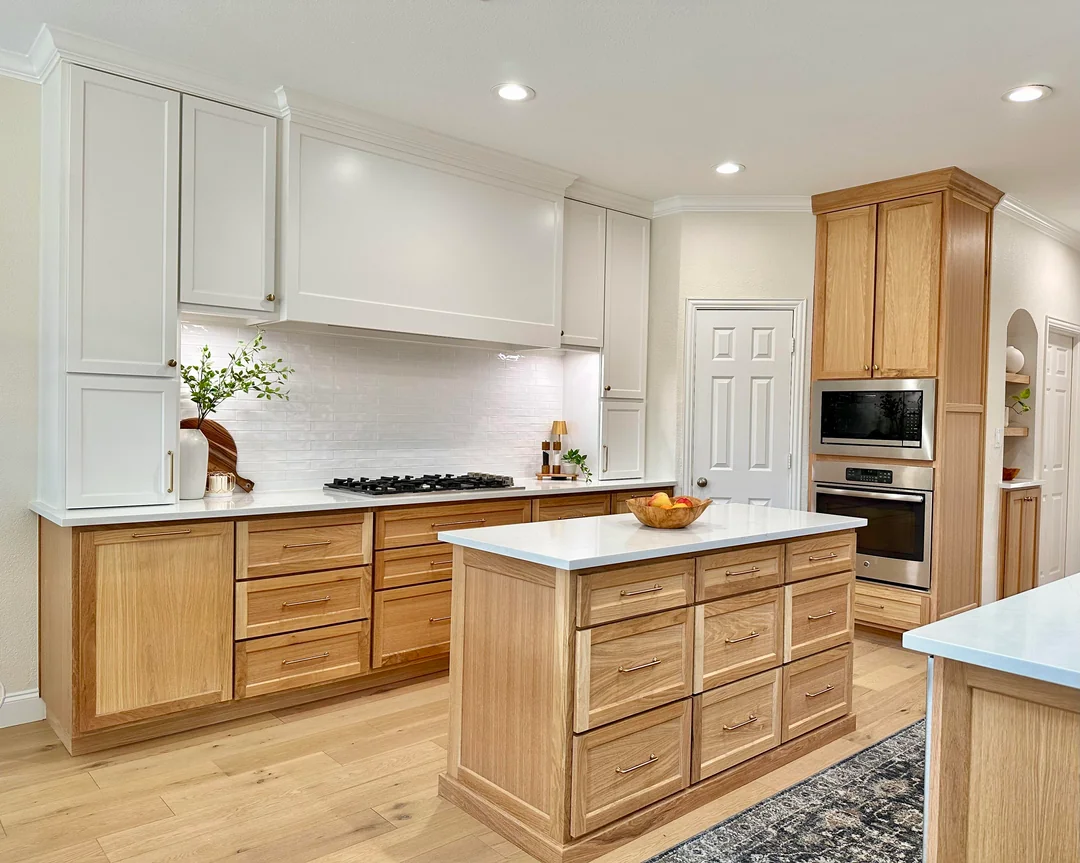
Hardwood floors bring warmth and natural beauty to kitchens and work with virtually any design style. While traditional wisdom cautioned against wood in kitchens due to moisture concerns, modern finishes have improved dramatically. Engineered hardwood offers enhanced stability and moisture resistance compared to solid wood. Darker stains can show scratches and wear more readily than medium tones, while distressed or hand-scraped finishes cleverly disguise minor damage.
Tile flooring, whether ceramic or porcelain, is practical and available in an astounding variety of colors, patterns, and sizes. Large-format tiles create a modern, seamless look with fewer grout lines to maintain. Smaller tiles offer more design flexibility and better traction when textured. Wood-look porcelain tile has become incredibly realistic, offering the appearance of hardwood with tile’s superior water resistance and durability.
Luxury vinyl plank has emerged as a popular choice due to its realistic appearance, comfort underfoot, water resistance, and affordability. High-quality LVP convincingly mimics hardwood or stone while being softer and warmer underfoot. It’s also DIY-friendly for those comfortable with home improvement projects.
Natural stone, including slate, travertine, and limestone, brings organic beauty and unique character. Each tile is distinct, creating one-of-a-kind floors. However, stone typically requires sealing and can be cold underfoot, making radiant floor heating a worthwhile consideration.
Concrete floors work beautifully in industrial or modern kitchens and can be stained, polished, or stamped to create various effects. They’re extremely durable and low-maintenance once properly sealed.
Creating Functional Layouts
Even the most beautiful kitchen fails if its layout doesn’t support how you work. The classic work triangle—positioning the sink, stove, and refrigerator in a triangular configuration—remains a useful guideline, though modern kitchens often require more complex thinking.
In galley kitchens, parallel counters create efficient workspaces ideal for serious cooks. Ensure adequate clearance between sides—four feet minimum—to allow multiple people to work comfortably and for appliances to open fully.
L-shaped layouts work well in open-concept homes, defining the kitchen space while maintaining flow to adjacent areas. They provide ample counter space and allow for flexible dining or seating arrangements.
U-shaped kitchens offer maximum storage and counter space, with everything within easy reach. They work well for serious cooks who spend significant time preparing meals and typically accommodate multiple people working simultaneously.
Islands have become nearly ubiquitous in kitchen design, serving multiple functions. They provide additional prep space, storage, seating, and a natural gathering spot. Ensure adequate clearance around islands—42 to 48 inches—for comfortable traffic flow and appliance door clearance.
Peninsulas offer island-like benefits in spaces too small for true islands, extending from existing cabinetry to create additional work surface and seating while defining boundaries in open-concept layouts.
Finishing Touches That Complete the Design
Hardware might seem like a minor detail, but cabinet pulls and knobs significantly impact your kitchen’s overall aesthetic. Modern options include matte black, brushed gold, polished nickel, and brass, each creating different moods. Mixing metals has become accepted and can add visual interest, though consistency within each area (all pulls on upper cabinets matching, for example) maintains cohesion.
Window treatments require balancing natural light, privacy, and style. Roman shades offer a tailored look and can be customized in countless fabrics. Café curtains provide privacy while allowing light. In kitchens with beautiful views, consider leaving windows bare or adding simple valances.
Decorative elements personalize your space. Display cookbooks, incorporate plants or herbs, hang artwork, or showcase a collection of vintage kitchenware. However, exercise restraint—kitchens benefit from a “less is more” approach to avoid visual clutter.
Don’t forget practical elements like a quality kitchen mat at the sink to reduce fatigue during food prep and cleanup, a cohesive set of small appliances that complement your design, and organizational tools that keep counters clear.
Embracing Your Personal Style
Ultimately, the best kitchen design reflects your unique taste and lifestyle. Whether you’re drawn to minimalist modern aesthetics, cozy farmhouse charm, sleek contemporary style, or eclectic bohemian vibes, commit to your vision while ensuring functionality remains paramount.
Trends come and go, but a well-designed kitchen that serves your specific needs and reflects your authentic style will bring joy for years to come. Take time to research, gather inspiration, and plan carefully. The investment of thought, time, and resources into creating your ideal kitchen will reward you daily as you cook, gather, and create memories in the heart of your home.