People have a tendency to underestimate small gardens. You may think that a small garden will not provide much, but that’s not the case – there are always many examples of inspiring, imaginative and stunning outdoor spaces that have been built in tiny areas. That’s why so many people are looking online for inspiration on how to create magnificent small gardens when they have very little available to use. In fact, often the addition of minimal space creates a greater opportunity for creativity.
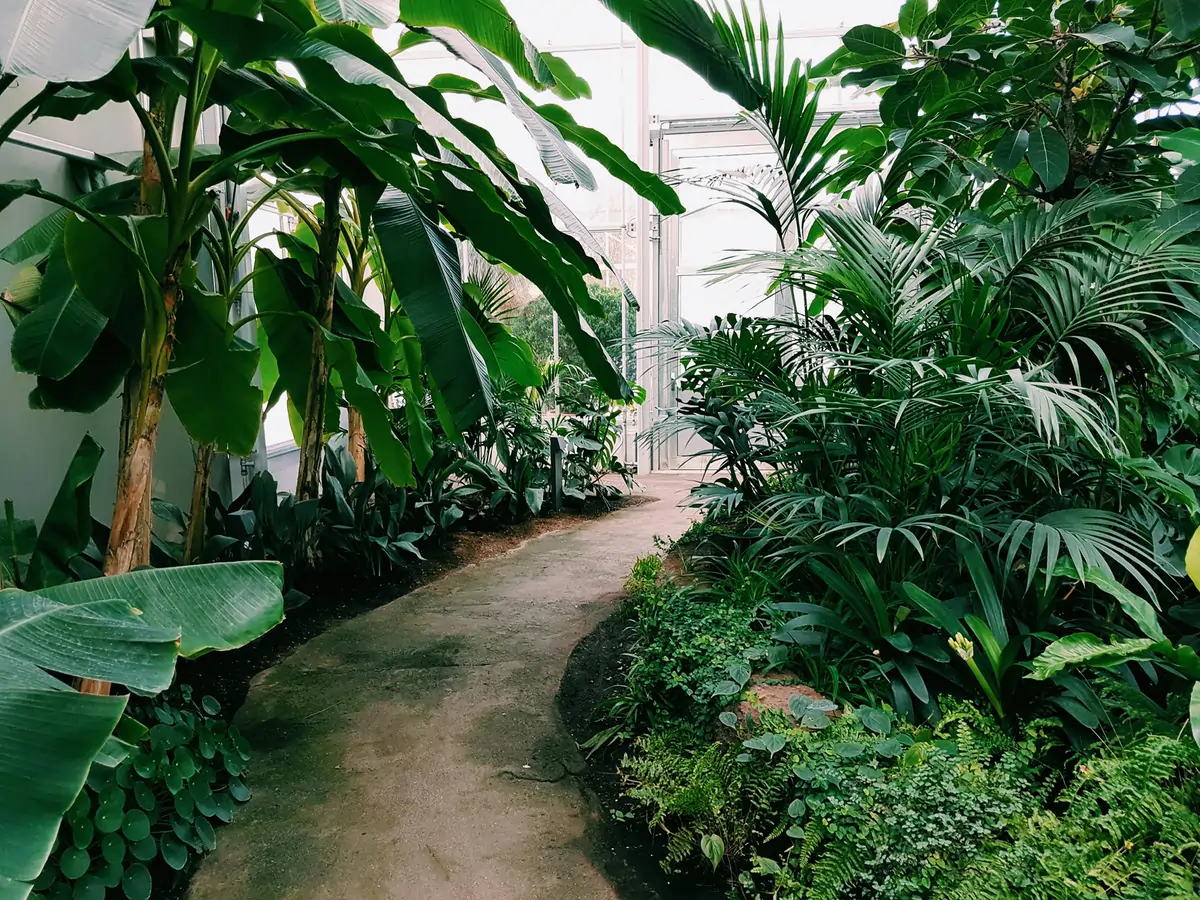
Small gardens can be stylish, inviting and warm; however, if you put in some thought about how you want to decorate your garden, you can achieve the same level of intimacy and welcome as found indoors.
Using Vertical Space Effectively
To maximize use of a limited ground area available for planting, careful use of available vertical area (such as on walls, around fences and railings) can greatly enhance the number of plants able to be added vertically through hanging pots, climbing plants, or mounted planters. The added ability for additional plants without creating crowding on the root zone will enable more creative landscape options.
For example, ivies, jasmines, and clematis will naturally climb high while at the same time providing a backdrop of beautiful, solid green leaves. Hanging baskets will provide a splash of colour at many different elevations, and therefore the garden will appear larger due to the added vertical area. Isn’t it remarkable how adding elevation resolves the dilemma of limited ground area?
Flexibility through Containers
Containers can be great helpers for small gardens. You can use different shapes and sizes to place them in various locations in your yard when looking for something new. This will allow you to experiment without having to make a long-term commitment to something.
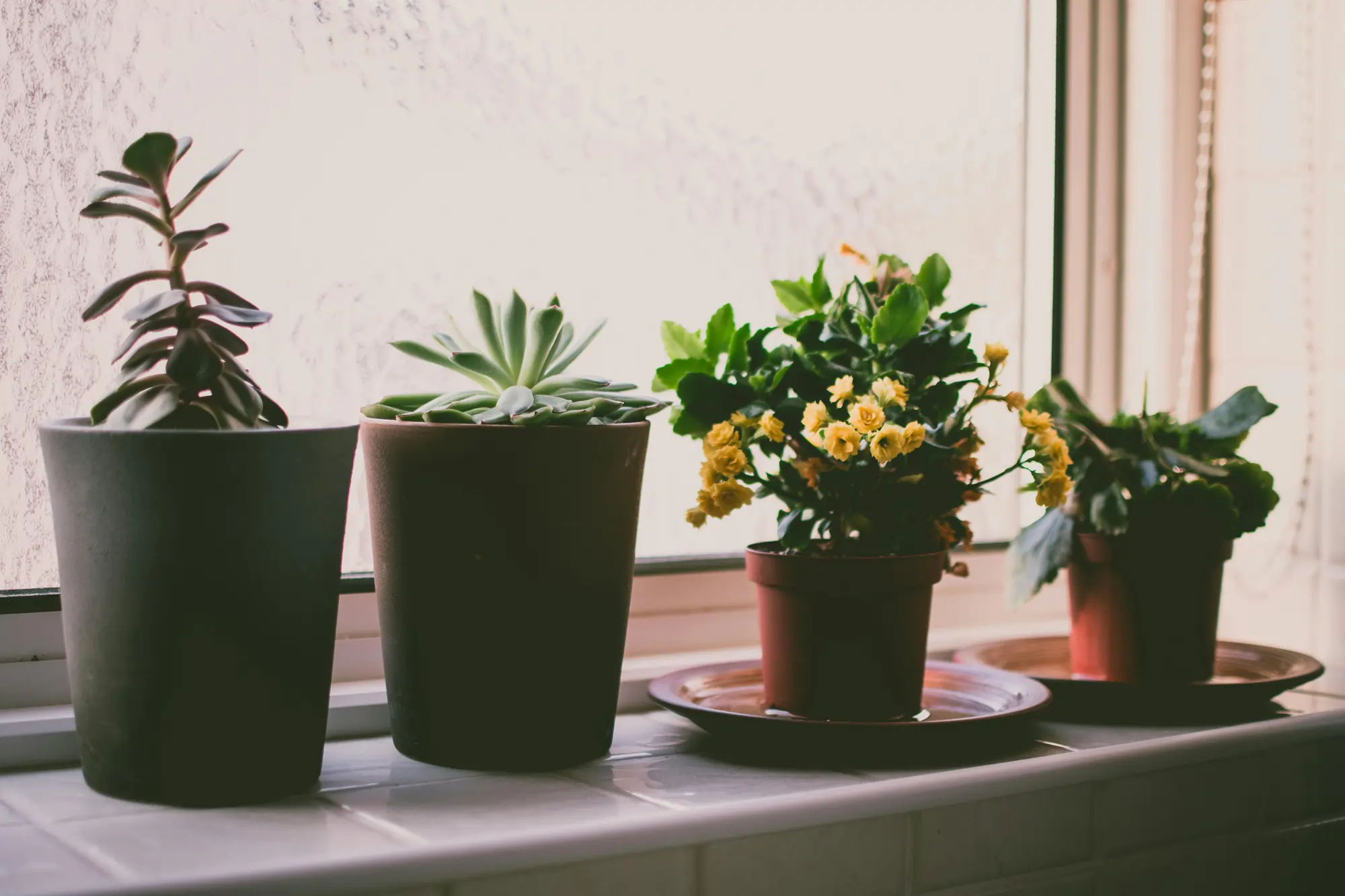
Containers will work well for items such as herbs, flowers, small trees, and even vegetables. Grouping containers can fill the area you have available without requiring garden beds to fill out the area. As well, if you’re ever bored with the way your containers are displayed, you can easily change this in a matter of minutes! What could be more convenient than having a garden you can redesign on a whim?
Making Zones in a Small Garden
A small garden can still look organized if you have created different zones. You might have one corner for seating, another for planting, and yet another for ornaments. The visual separation of spaces can create a sense of larger-scale structure in your garden.
Rugs, pots or small pathways can be used to divide areas in this way. Each zone will have its own purpose, making it look like your garden was created deliberately and with consideration. Who says you can’t have an organized layout in a larger garden?
Selecting the Ideal Furniture
When furnishing small gardens, the selection of appropriate furniture requires careful consideration. Oversized furniture, such as large chairs and tables, may quickly overwhelm an area, creating a feeling of confinement. Foldable furniture, benches with built-in storage capabilities, or smaller chairs are generally better options.
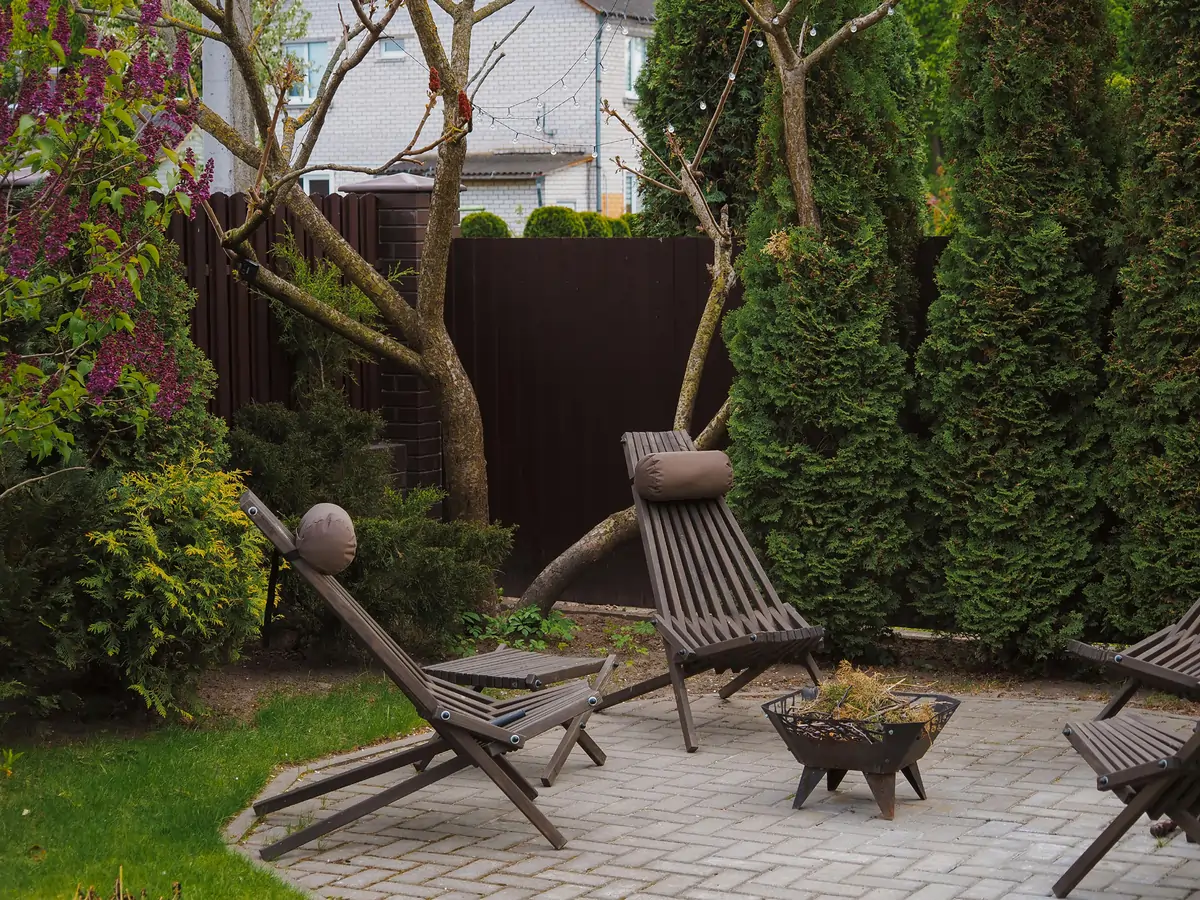
Additionally, selecting light-hued furniture may assist in providing an airy/open feel to the garden area. The use of furniture that complements (rather than detracts from) the visual space creates a greater sense of “roominess” within the garden.
Of course, when selecting furniture for a garden, comfort should still be a factor, as no one will enjoy a garden without comfortable furniture.
Adding Mirrors to Create Depth
Mirrors can give an illusion of a much larger garden when they are positioned correctly. The use of mirrors has been proven to create depth in the interior spaces, but they can be used outside as well. When mirrors are strategically placed near plants and then reflected onto a garden, they can create the illusion of a larger area of the garden.
When mirrors are used on fences or walls that are surrounded by plants, the reflection of the plants will make it feel like you’ve stepped into another part of the garden. It is pretty cool when the eyes can trick you like that!
Choosing Non-Invasive Plants for Small Gardens
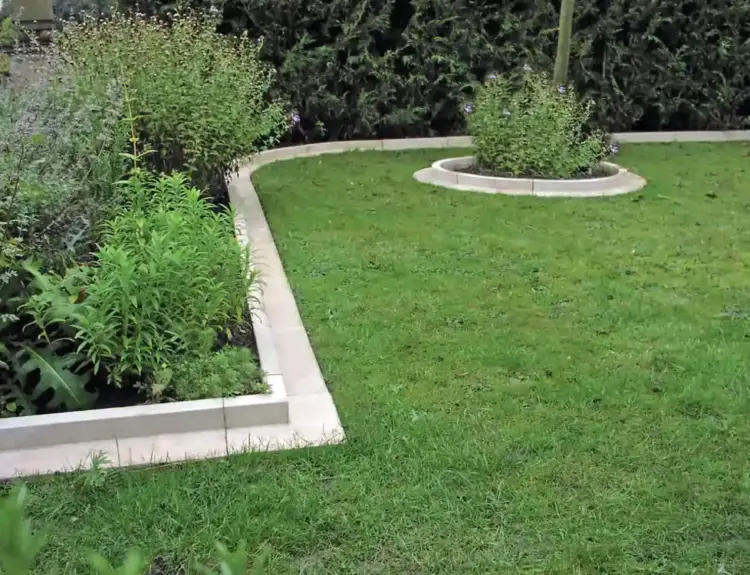
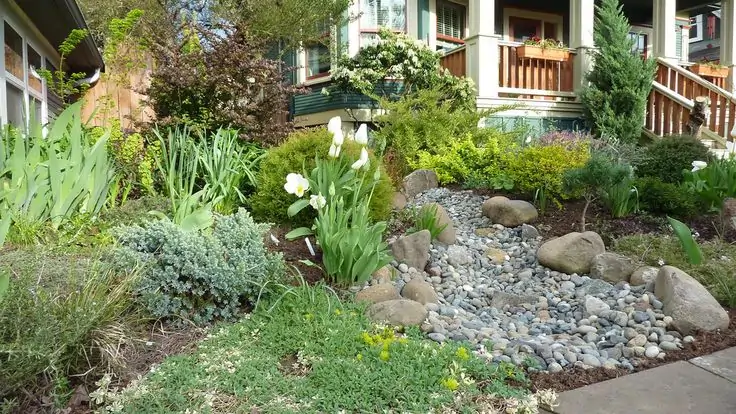
When designing a small garden, plant selection is extremely important. Larger, faster-growing plants will quickly dominate the garden and cause it to look unkempt. To reduce the chances of overcrowding, consider using compact plants, slow-growing plants and shrubs that have neat shapes.
Examples of these types of plants include Lavender (as an example of a compact perennial), Boxwoods (as examples of compact evergreens), and Dwarf Varieties of numerous popular shrub species. The proper plant selections will greatly increase the ease of maintenance and create the ideal balance in the garden.
Enhancing the Space with Lighting
If your garden is small, good lighting can create a completely different feeling in your garden at night. For example, when you use string lights, solar lamps, or small candle holders,s these types of light create a warm and inviting atmosphere for your garden.
You can use light to create a feeling of depth in your garden by using shadows and highlights to enhance the look of your garden. You can also enjoy your garden in the evening with lighting. A small garden that is lit up at night looks so much more charming than a large garden that is dark. Who would have thought that lights could add such a personality to a garden?
Adding a Small Water Feature
A small water feature can create an atmosphere of peace and luxury in your existing small garden. A small pond or tabletop fountain will provide a gentle sound and movement that will create a sense of tranquillity in the area, so that you feel as though you have entered into a retreat.
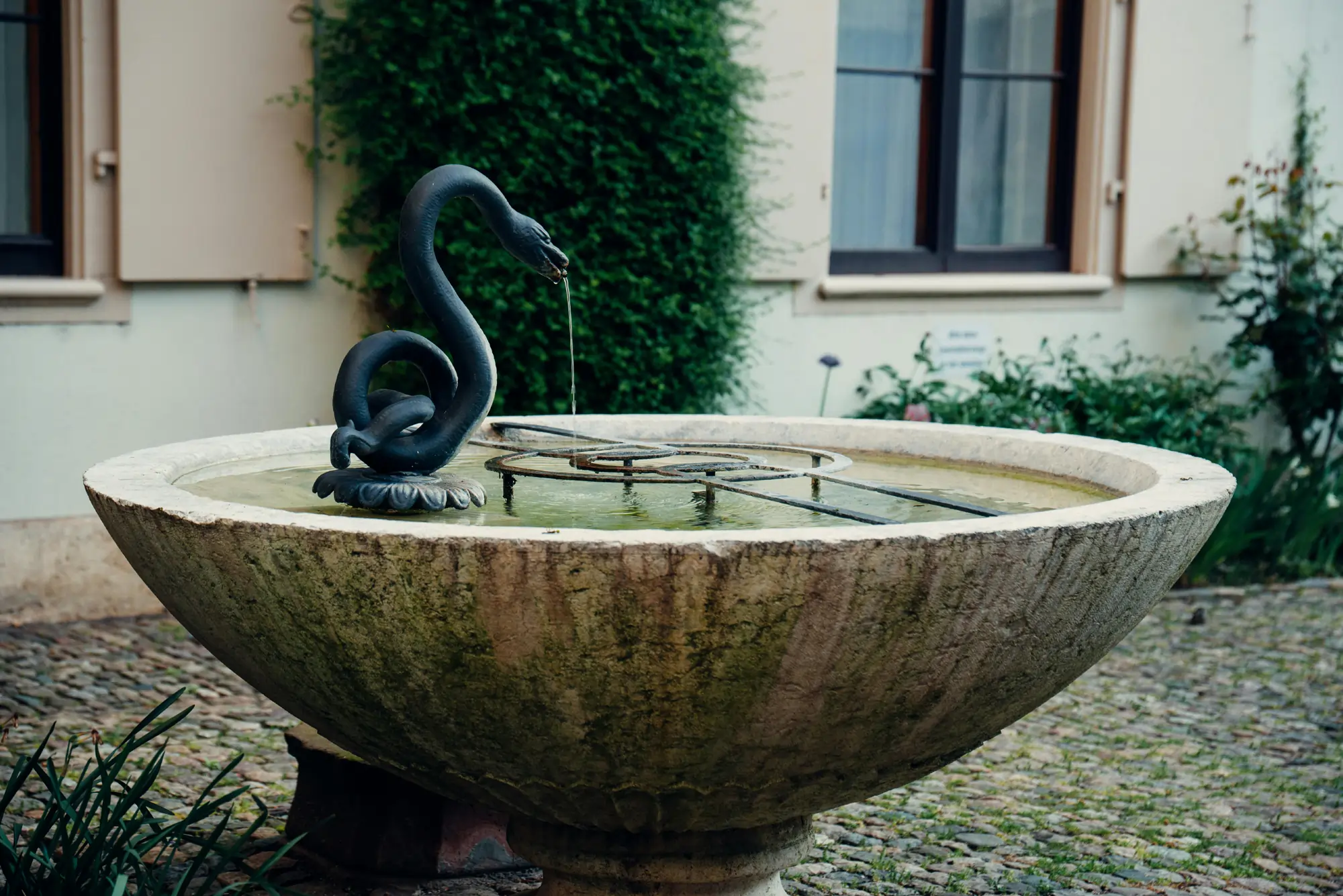
Birds will also be attracted to water, adding some additional activity to the garden. The sound of flowing water will help to remove any reminders of what is occurring outside (busy days) in the garden. You may be surprised at what a small addition such as this can do for your mood.
Making Use of Trellises and Arches
As seen in other types of gardening. Trellises and arches help your climbing plants as they establish themselves by providing vertical support (as opposed to horizontal support) and help each plant fill its own space in your garden. Since your garden is designed to draw the eye up, using trellises and arches can provide an illusion of being bigger than the actual physical size of the planter.
For example, flowering vines, as well as beans and other types of climbing plants, will grow very well on trellises and arches. Additionally, the trellises and arches can provide natural shade and privacy to the garden. An arch that is covered with climber-type plants can look like something from a fantasy tale.
Utilizing Colour to Open Up the Space
The ability of colour to transform the feel of a tiny garden is immense. Lightcolourlor tones create the illusion of space, while darker shades create the opposillusionions of space. When combined with light-colored planting pots, pale flower colours or soft-colored furniture, the combination keeps the garden looking bright.
In a few areas and with a few select bold colour choices, interest is created without overwhelming the eye. Balance is the essential quality that will create a successful use of colour. A great amount of colour will create an uninviting atmosphere, while just enough will create an energetic, happy atmosphere.
Establishing A Comfortable Seating Area
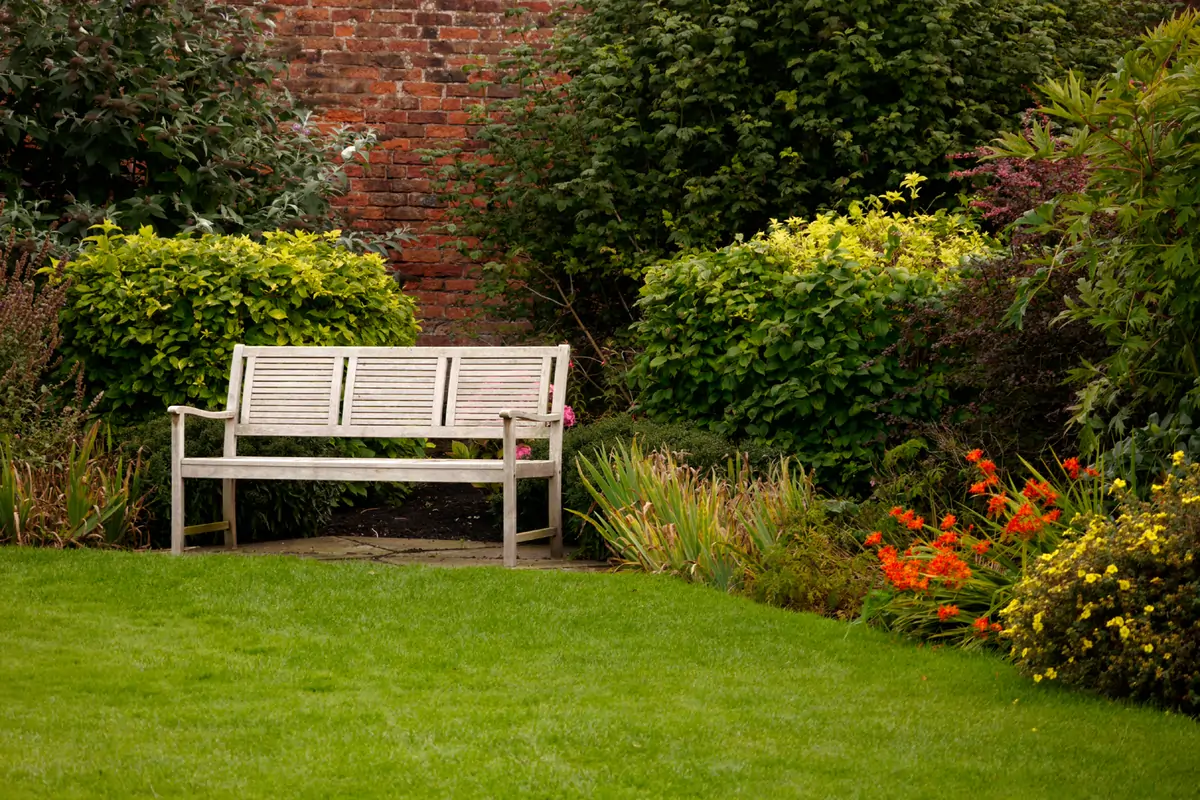
A small seating area will convert the garden area into an enjoyable time. Simple Cushioned Benches, or Bistro Sets, make for great spots to enjoy your morning teas or relax after a long day.
Creating a cozy seating area by placing it under the trees or close to plants will help to make it feel more private and inviting. Even if your garden is small, it should have an area to sit and enjoy the landscape.
Clearing Negative Space in Your Garden
If your yard or garden has too much clutter, then it can also feel smaller or not look as good. Unused items (tools, decorations, etc.) should be removed from the area or stored in an out-of-sight manner. Storage benches or small cabinet-style devices will assist with keeping these areas organized.
If you have a tidy garden (or yard), then you will feel at ease and find that the garden looks bigger than it is. A bit of organization will help maintain the visual appeal of your small garden or yard for a longer period of time.
Conclusion on Small Garden Ideas
Small garden space has its limitations; however, those constraints lend themselves to better and more imaginative designs. By using these excellent small garden ideas, even the smallest outside area can become an attractive and useful oasis.
Rather than focusing on wishing you had more space, consider how best to effectively utilize your current space creatively. A thoughtfully decorated small garden will feel much more unique than a poorly designed large one; after all, the reason for growing plants is all about creating something amazing!