Have you ever had trouble understanding the term “shady”, which is for Plants for Shade? Most people think it’s just another word for a problem area. Well, there’s a reason for that perception: there are many examples of gardens that have beautiful shade-loving plants. The most common question by gardeners looking to beautify shadier areas is ‘what are the best garden plants for shade?’ Many people want their gardens to add something nice to their homes, so don’t wait! Create a beautiful garden by adding some shade-loving plants to those dark areas.
Notice how much calmer and cooler an area feels when it’s shaded. Have you noticed how serene your garden looks when you’re sitting under a tree or close to a shaded fence? Adding the proper plants can create an even more soothing atmosphere. Instead of trying to make the shadier parts of the garden look brighter, it is much easier (and smarter) to work with the shade! After all, nature has given us another type of beauty, so why would we want to fight against her?
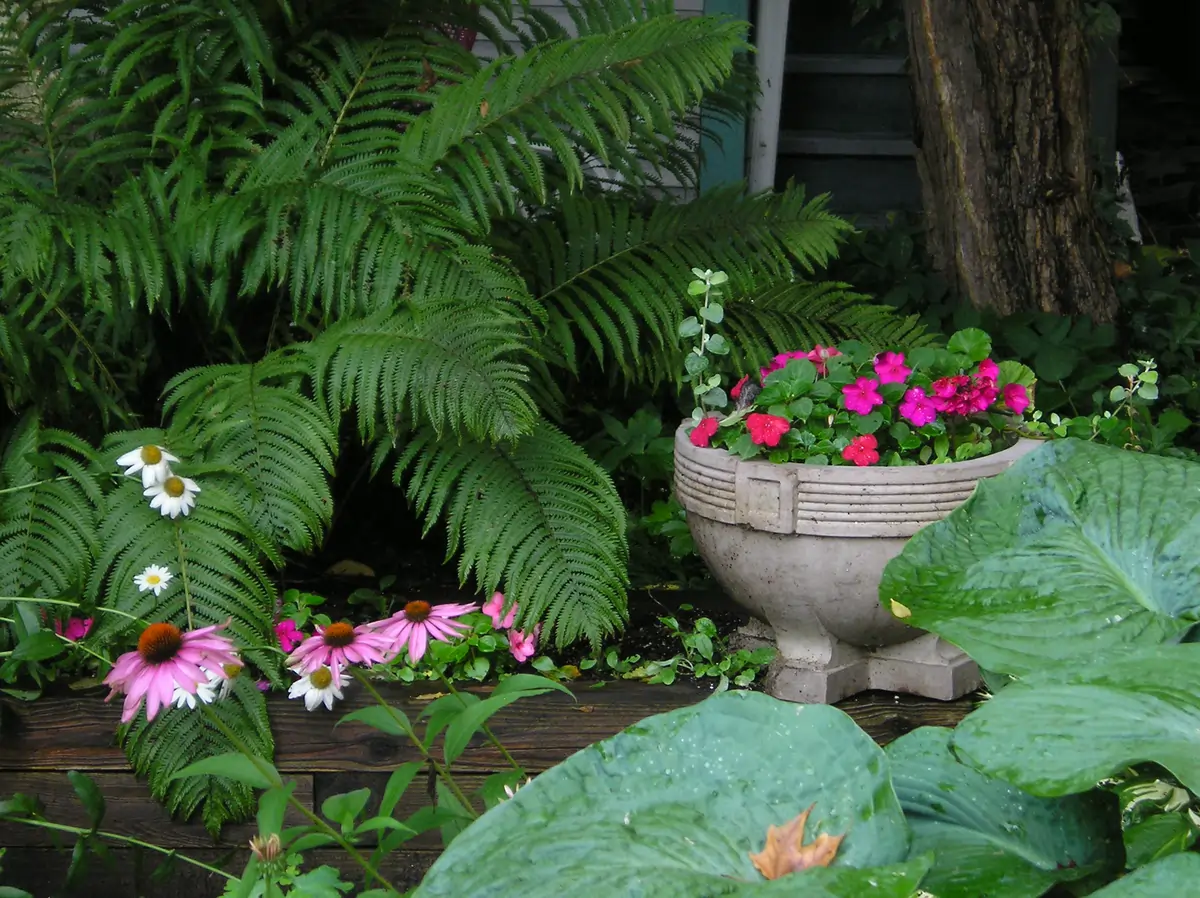
Reasons To Have A Beautiful Shade Garden
Shade gardens often have a cooler climate and require less water, which makes it easier for homeowners who are tired of dragging garden hoses around. Plants with leaves in shade actually appear to have more depth and richness than their counterparts; some people will say they even appear “polished.” Plants with large leaves, soft leaf texture or deep colour are often amazing enough to even draw attention away from the flowers.
In addition, shade plants typically live a long time — many are perennial and return every year with little to no effort on the part of the gardener. Isn’t it nice when plants do most of the work? Shade can require some patience when creating your garden; however, the benefits last a lifetime and require very little additional maintenance after the initial time spent getting your plants established in your shade garden.
Hostas: The Shade Gardens’ Kings
Hostas, royalty of the shade garden, richly deserve the title. With leaf colour including a wide range, from green to blue, yellow or even white, hostas are wonderful foliage plants for any shade garden. Hostas may be smooth or textured, and many have spectacular designs.
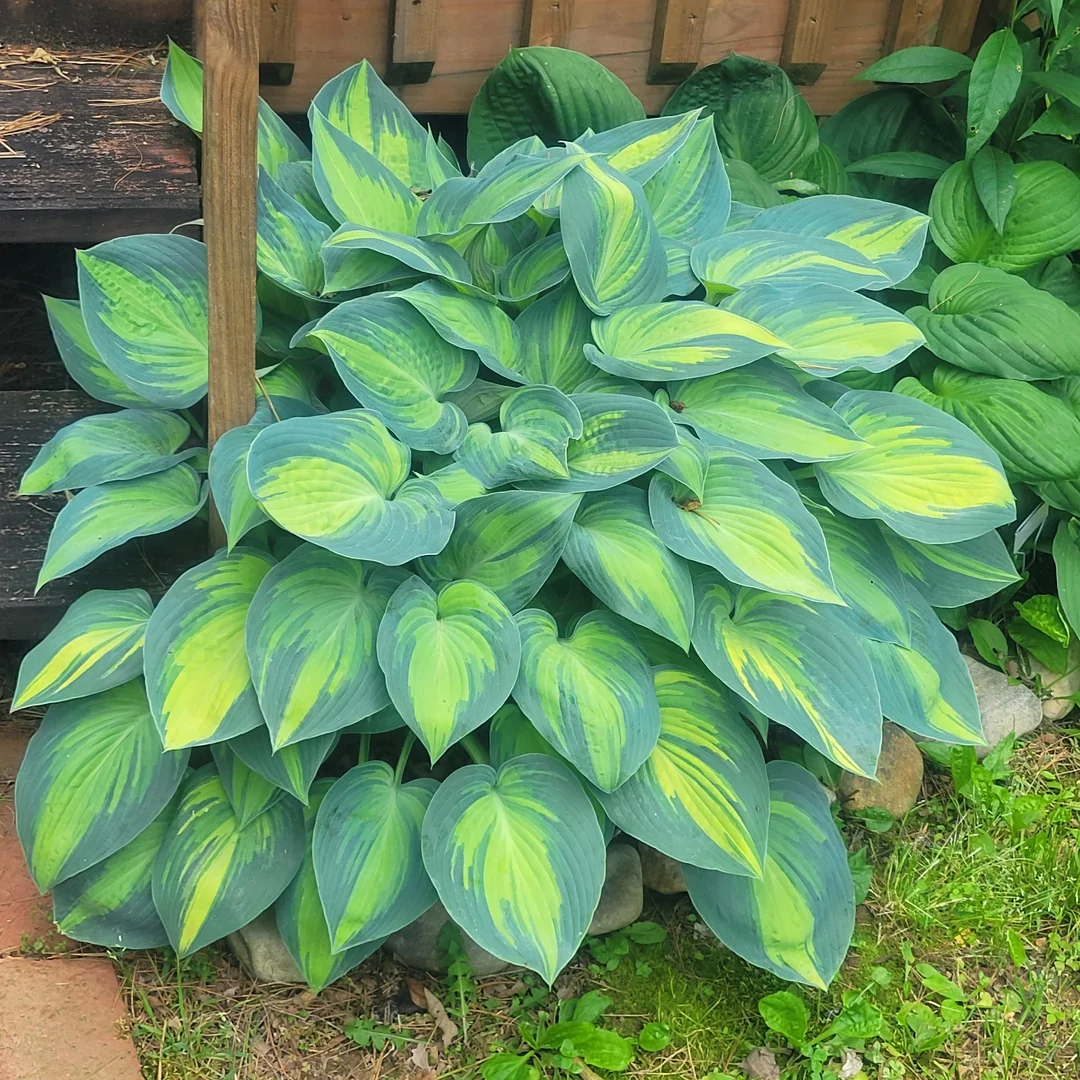
While hostas can be easily grown by both novice and expert gardeners, after being planted, hostas seem to establish themselves quite quickly and tend to continue to grow larger year after year. The only pests that try to disrupt their happy establishment are slugs, who behave as though they have a right to devour hostas. However, if you are willing to invest time into protecting your hostas from slugs, they will continue to be the stars of your garden. Who would think that leaves could garner such attention?
Ferns: Effortless Natural Beauty
Ferns are also a classic selection in the shade garden realm. They deliver a very soft and natural, woodsy style that gives an area a natural, undone vibe; plus, they are beautiful with their delicate and airy fronds swaying softly in the wind – even when there are no flowers on them.
Ferns are very well-suited for gardens beneath trees and in locations that are consistently cool and wet. They do not require much maintenance; instead, they will be most content when completely left alone and allowed to grow naturally. Who wouldn’t enjoy a plant that doesn’t require constant maintenance and adoration?
Heuchera: A Colour You Wouldn’t Expect
Heuchera, also referred to as coral bells, shows that there are possibilities for shade gardens beyond a landscape full of green. Heuchera is mainly grown for its extreme variation in leaf colours, including deep purple and lime green. In addition, there are some heuchera plants with metallic or iridescent leaves that give off a faint glow when situated in low-light conditions.
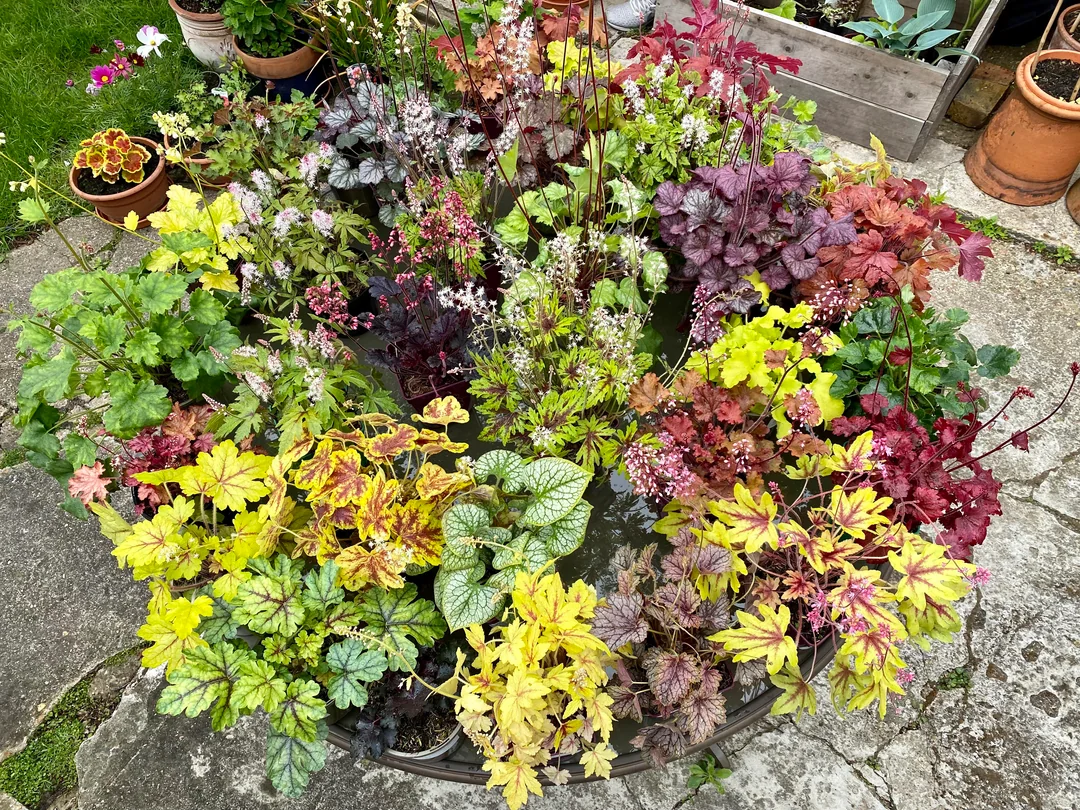
Heuchera is a compact plant and works quite nicely either along borders or in containers. Heuchera does produce flower spikes that grow tall with clusters of small flowers; however, we all know that the leaves are what make these plants so special. Therefore, it is not an oxymoron to have shade gardens that contain colour, because heuchera has made this happen!
Astilbe: Gentle Blossoms For Gardens With Low Light
When flowers are lacking in any garden without full sun exposure, astilbe is generally the go-to plant. Astilbe produces soft plumes of bloom colours from pale whites to rich reds and dark purples. The flowers grow on a stalk (or plume) above the fern-like foliage of the plant, creating a very soft, flowing feeling in a garden.
Astilbe need very moist soil or prefers to be planted near water features such as ponds. Once established, astilbes will return year after year with little to no care. Who says romance is not possible in a shade garden?
Bleeding Heart: Vintage Allure
Bleeding hearts evoke memories of days gone by when seen in an area with some shade – a romantic, storybook; heart shaped bloom that drips from its arching stem just like the blossoms do from the branches of a tree. The most common colours are pink and white, both of which provide amazing contrast to the backdrop of lush green leaves.
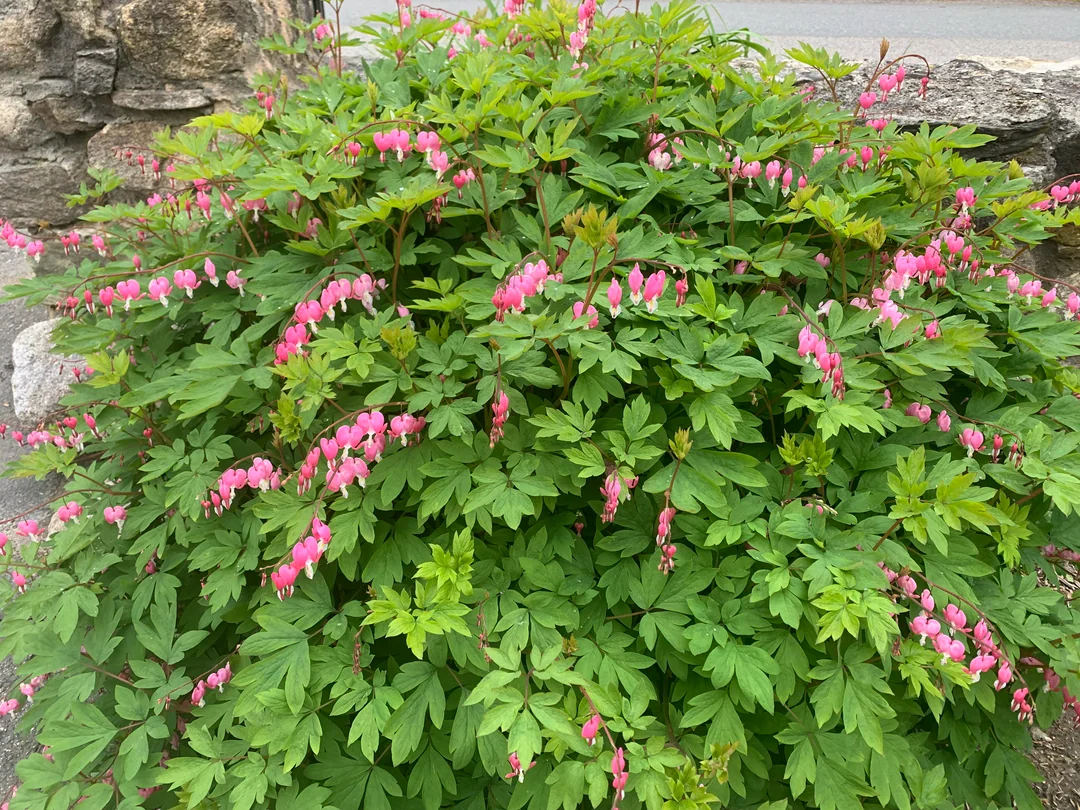
They will bloom in spring and into early summer, but will gradually start to die back to their bare stems. While they do exhibit some grandiloquent signs of dying back, most people will agree that the surprise of where they go each year can provide them with more appeal!
Ground Cover Plant Options for Shaded Areas
Ground cover plants are a great solution for filling in bare spots in your yard or garden where plants do not thrive due to the shade. Some good examples of ground cover plants are ajuga, creeping jenny, and pachysandra; they will slowly grow and cover the ground surface in the shaded area, creating a visual interest through the texture and colour. In addition, ground cover plants can act as a barrier to prevent weed growth; many people are thankful for this benefit.
Ground cover plants are an excellent option for covering the ground underneath trees where grass has trouble growing due to a lack of sunlight. When established, ground cover plants provide an easy-care living carpet. This means that there will be less time spent mowing and more time being enjoyed.
Flowering Plants for Shade
Shade plants can be wonderful blooming plants, even though the flowers might not be as abundant as in bright sun. If you need some colour in a shady area on your property, you will probably find an appropriate option from one of the most popular shade plants: impatiens, begonias or hellebores. These plants will provide vivid colour to areas that would typically go without anything bright, especially in dark corners.
It has often been said that one of the most amazing things about plants is their ability to produce flowers when all other vegetation is dormant. When you are able to see flowers in the dead of winter or early spring, it is almost like a miracle.
Shrubs That Grow Well in Shade
Shade gardens aren’t only for little plants. Many types of shrubs flourish in low light and will give the trees and shrubs in your yard some structure all year. Many typically think of shrubs that are commonly known, including hydrangeas, for their large flowers and ability to grow well in partial shade. One great feature of hydrangeas is that their flowers change colour, based on soil type, which makes for a great garden science experiment.
Boxwoods and yews are two famous examples of shrubs that provide good structure to a garden, by giving it a lot of green, year-round, and by providing shape to the garden. Boxwoods and yews don’t require any attention, but their presence provides tremendous value. Every garden needs a solid foundation.
Shade Gardens Need Balance
The foundation of a good shaded garden comes from the combination of contrasting plant types, such as large versus small leaf/flowered plants, along with using flowering versus foliage-only varieties. By using these contrasts throughout the garden, you’ll have constant visual variety even when the plants aren’t blooming.
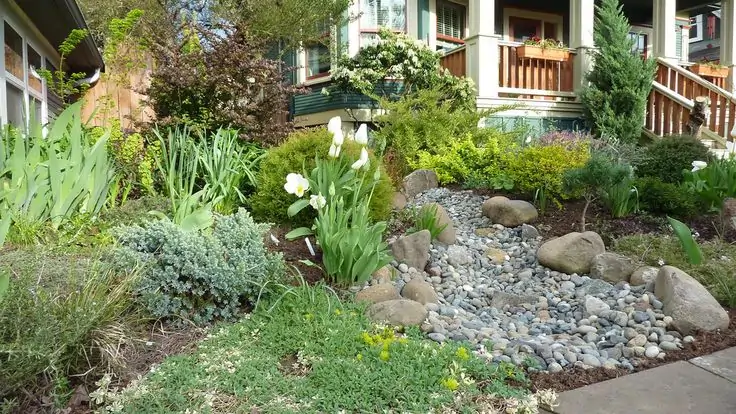
Adding walking paths, rocks, and garden decoration can also break up all the green in the garden and bring character into the design. A well-designed shaded garden will appear as if it were designed with purpose, rather than appearing as if it were an afterthought or forgotten place. When everything comes together in this way, it generally becomes one of the most popular places to relax.
Final Thoughts Regarding Shade Gardening
There are many opportunities for gardeners to create a lovely space through shade gardening if they take the time to research and learn about selecting the right shade plants. Even in darker areas of your yard, you will be able to transform them into tranquil, beautiful gardens with shade plants.
Embracing your existing daylight rather than wishing for additional daylight is usually a better practice. Shade gardens can provide calmness, texture and elegance in a very peaceful manner. When you have created beauty in your shade garden, what you will find is that a lot of times those very quiet, simple beauties provide you with the greatest amount of enjoyment.