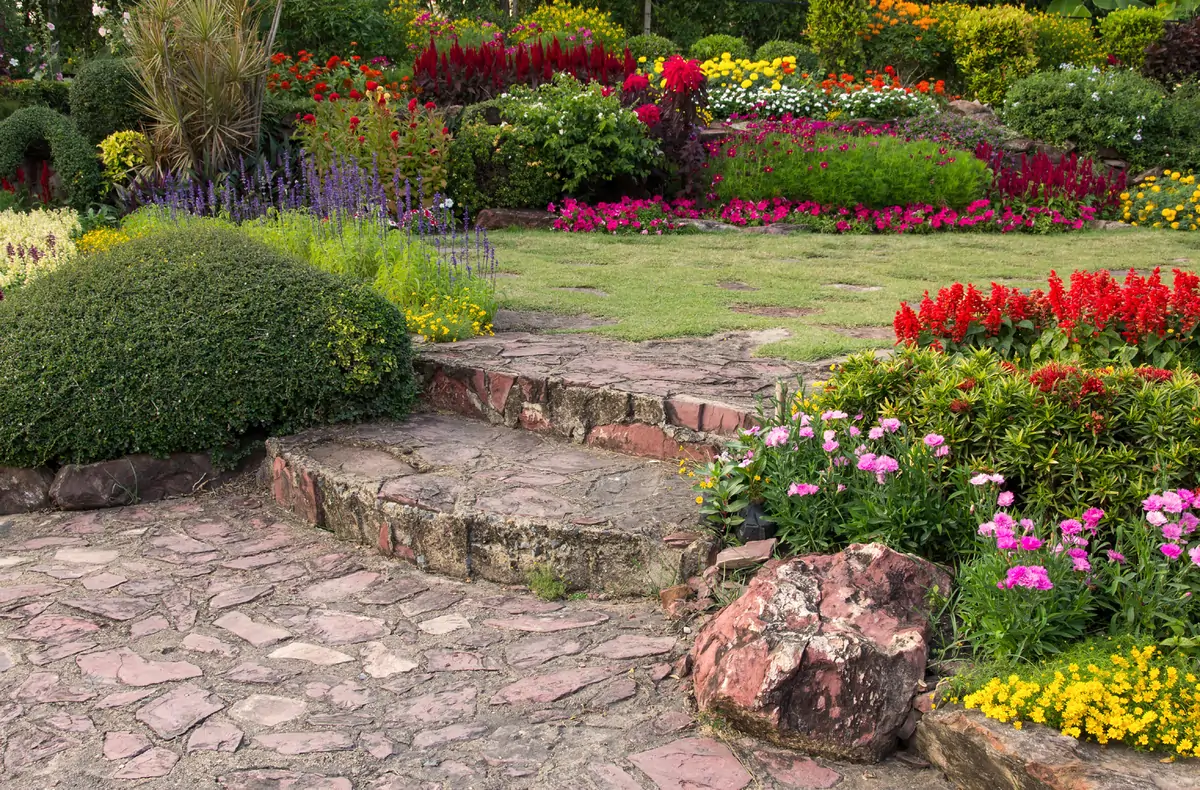
How to winterize a garden is an important task when we head towards spring. As the seasons start to change and temperatures fall, you may be thinking to yourself, “How do I winterize my garden without damaging the flowers and shrubs I’ve spent so much time and energy nurturing?” Honestly, you would have many good reasons for feeling anxious about this! The flowers and shrubs in your flowerbeds or landscape do not just disappear when winter arrives.
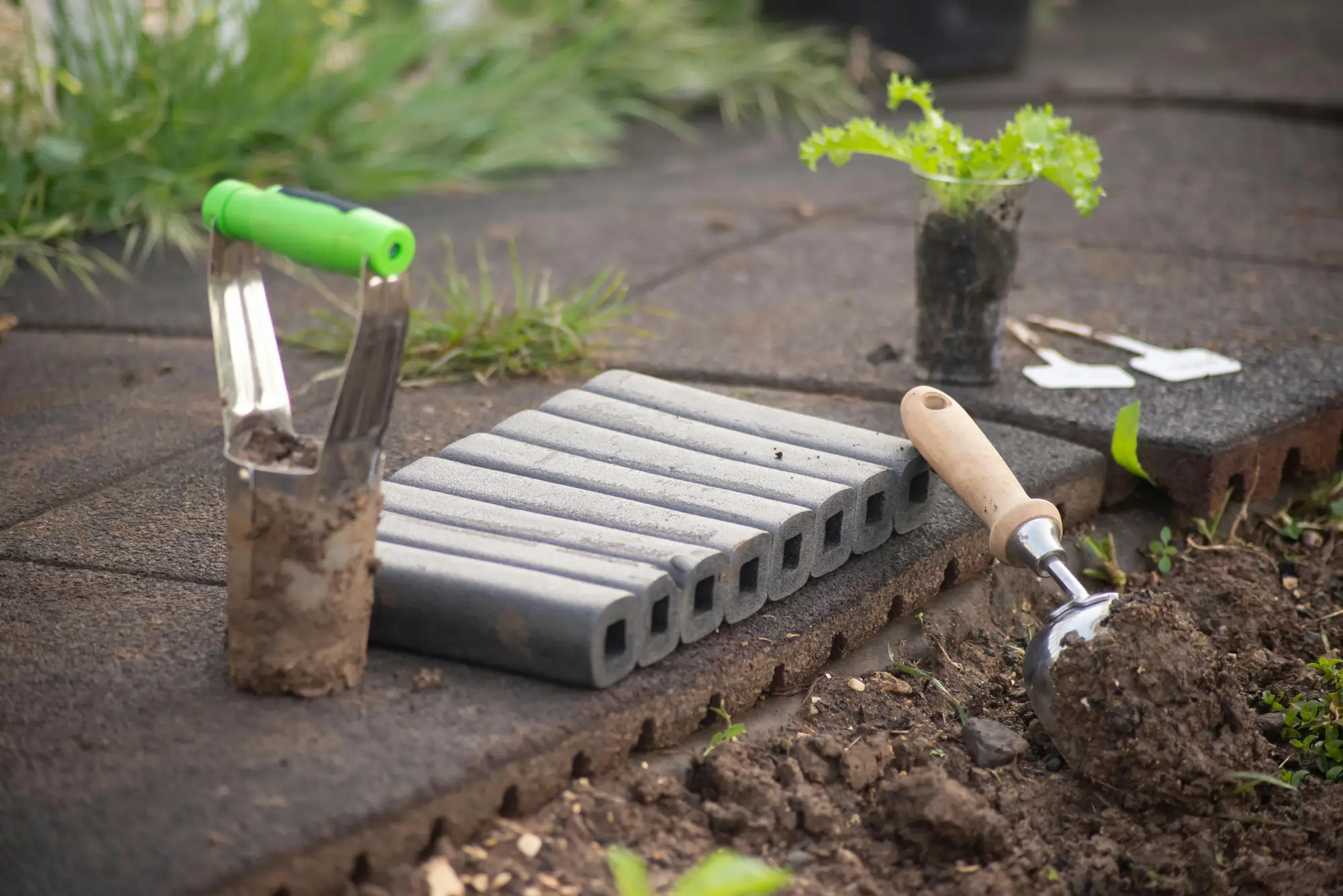
Rather, they are resting, waiting, and preparing themselves for the new growth season ahead. The way that they are treated prior to winter is what will determine if they come back healthy and strong in the spring.
Why It’s Important to Get Your Garden Ready for Winter
Getting your garden ready for winter does not have to be some complicated project that requires you to spend a lot of money; it is all about understanding what your flowers and shrubs require to survive as cold weather descends upon them. If you take the proper steps to prepare your garden for the winter months, there really should be no worries that your flowers, bamboos, shrubs and other plants will be damaged from the frost, snow, or extremely low temperatures. Plus, once the winterization process is complete, you will gather much more satisfaction planting your spring garden.
How Winter Affects a Garden
Winter transforms any gardening area. Cold temperatures cause most plants to grow very slowly or stop growing altogether, while freezing temperatures prevent soil from absorbing moisture and, therefore, rerestrictw much moisture that can be utilized by plants.
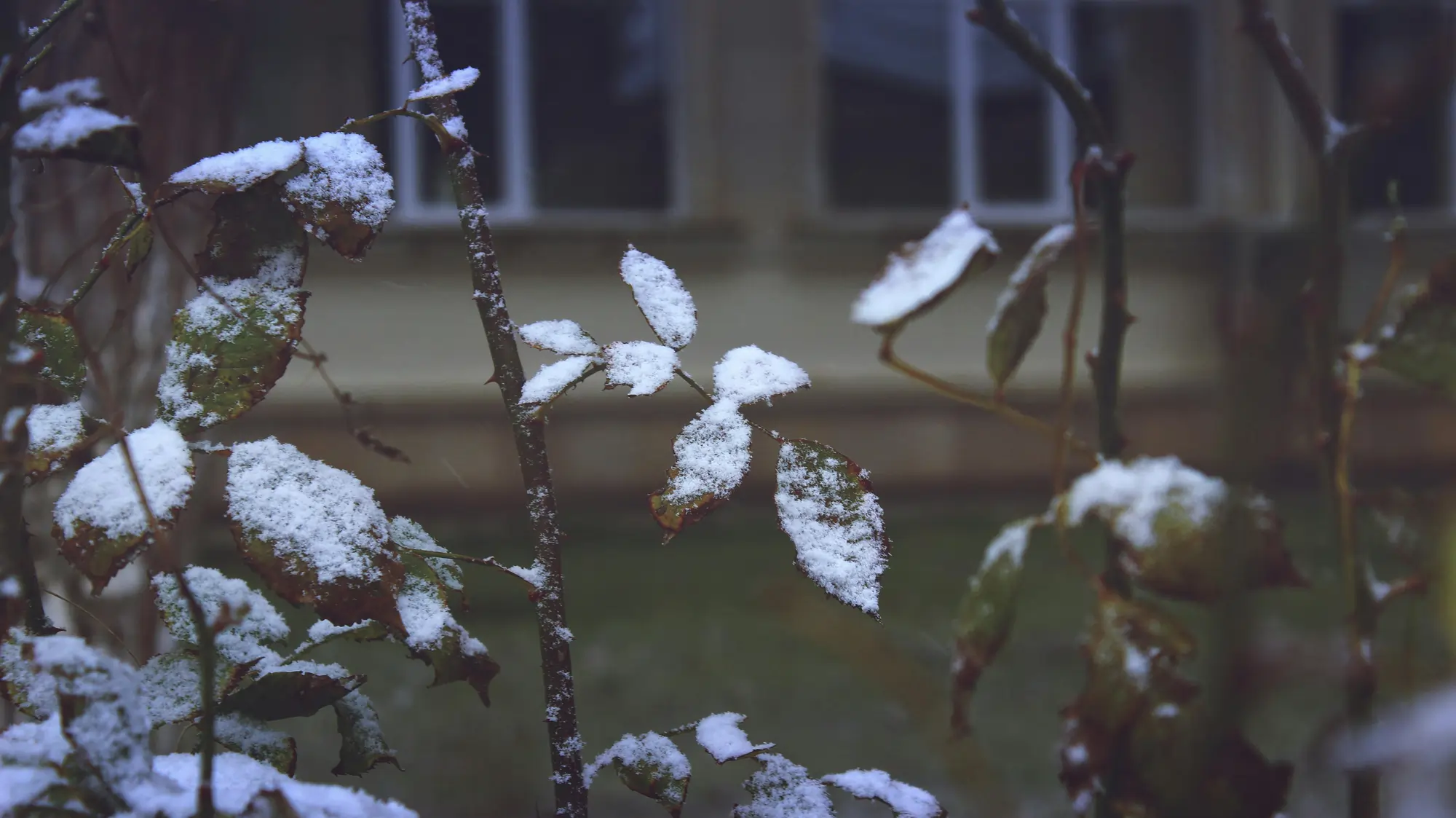
Additionally, certain plants will cease to grow during winter because of the absence of sufficient sunlight and nutrients in the soil; others will experience great difficulty surviving between now and spring due to their inability to obtain adequate moisture from the soil.
Understanding the Effects of Winter on a Garden
In understanding how winter affects plants, we can make better choices for winterizing our gardens. Winterization protects the root structure of our plants, retains nutrients in the soil and minimizes future issues. It’s not necessarily about controlling nature, but about working together with nature.
When to Winterize a Garden
Timing is one of the most important factors in successfully winterizing your garden. Winterizing too early may damage actively growing plants, while winterizing too late may leave plants unprotected from the elements should an unexpected frost occur.
Generally, the best time to start winterizing is immediately after your first fall frost; this usually occurs around mid-to-late October in most areas. After this first frost has occurred, the growth rate of all your gardening plants will begin to slow down due to the cooler temperatures and lower levels of solar radiation as days go sgettrter. Watching the weather and local frost dates closely will help you to determine when the best time is to start winterizing your garden. Most often, nature will give you a good indication of when she wants you to start winterizing your garden.
Winterizing Your Garden
As part of the beginning of winterizing, many gardeners take on the task of cleaning up their gardens before the first snow and frost arrive. In addition to creating better growing conditions for your plants next spring, removing dead plant matter, fallen leaves, nd other debris also minimizes problems caused by pests and diseases that use this material as hiding places.
Once cleaned up, you can leave some of the healthy plants you have in the garden, especially perennials that provide winter interest and protect soil from winter erosion and runoff. Diseased plants must be removed in order to provide a clean garden to enter the winter season with strength and safety.
Pruning Plants Back for Winter
Many gardeners have a hard time knowing which plants they should be cutting back in the fall, and this often leads to uncertainty. Some plants thrive when cut back in the fall,l whereas some plants need their stems in place during the winter for protection.
Perennials that have soft stems should usually be cut back to avoid disease from rot. Perennials with woody stems or seed heads may be left to stand for the protection of roots and to serve as a food source for birds. Knowing which perennials to cut back and which are beneficial when left standing will help ensure your success with caring for your plants during the winter.
Protect Your Soil With Mulch
Mulch is an extremely effective way to winterize your garden, as it acts like a big blanket that keeps the soil and roots warm in the harshest of weather conditions. Mulch also keeps moisture in and keeps your soil from eroding away.
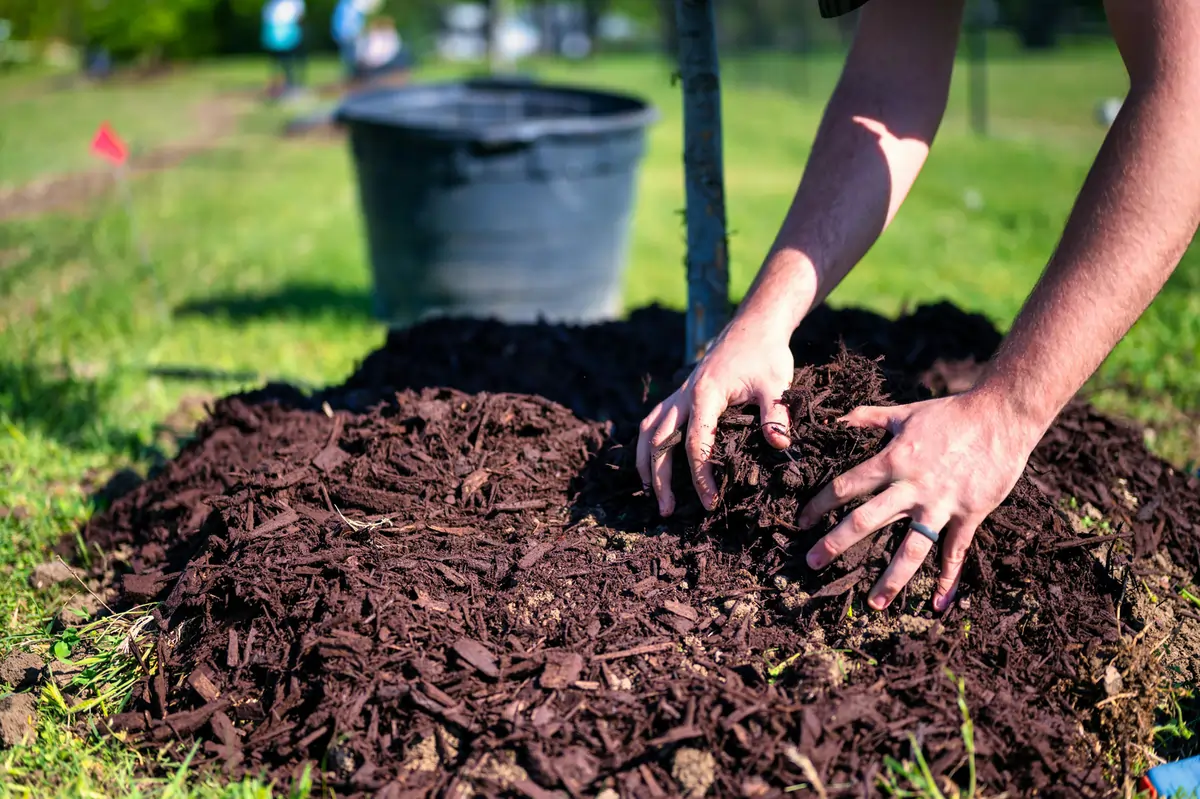
Organic materials such as straw, leaves, bark and compost are perfect for mulching. Applying a thick layer after the ground is cooled ensures the soil stays at a constant temperature. Mulch does not warm the plant; it simply acts to protect the plant from the most cruel freezing and thawing process.
How To Care For Your Perennial Plants In The Winter
Like annuals, perennials come back year after year but will only continue to do so if they make it through the winter. The main objective for planting a perennial in the winter is to protect the root system. Using mulch around the base of a perennial plant in the winter, this helps to keep the roots from freezing too deeply in the ground.
Another way to improve a perennial plant’s chance of surviving during the winter is to water it just prior to the ground freezing. This way, a perennial’s roots will continue to get moisture during the dry winter, and the healthier the roots, the healthier the plants when spring arrives.
Preparing Your Annual Plants for the Winter
Most will not make it through the winter if they have been growing for more than one season. As such, when the frosts come, it is time to remove one’s annuals, allowing the garden to go dormant, providing room for spring plantings.
You can collect seeds from your annual plants before removing them to save money and provide for your favourite annual flowers to grow back next year. As such, the process of removing annuals (at the end of their life cycle) is part of the garden’s natural cycle.
Caring for Your Trees and Shrubs in the Winter
Trees and shrubs will need care before the winter season begins; they are especially susceptible early on (recently planted). To begin with, place mulch around the plants to keep their roots warm and the soil moist.
To protect the trunk of the tree from cold temperatures, sunlight, and animals, use tree guards to wrap it. The sun can dry out the trunk and crack the bark, which can prevent the tree from surviving for a long time. Timely prevention methods will help to protect the tree from long-term injury.
Preparing Gardens For Winter
Many gardeners think they’ve finished watering before the fall rains start and snow begins to settle. The fact is that dry ground is detrimental to the garden in winter, and watering deeply before the ground freezes will help keep roots healthy throughout the winter.
Especially evergreens need moisture for winter survival because they will continue to lose moisture through the leaves, even though it’s winter.
Healthy, hydrated plants will be better able to withstand stress and trauma than those that have not been watered.
Caring For Garden Tools And Equipment
Winterizing a garden includes looking after your tools as well. Leaving dirty tools outside during the winter could cause them to rust and/or possibly transmit a disease to your plants next spring. If you wash and dry your gardening tools before winter storage, you will help to extend their life.
To avoid the likelihood of damaging your gardening tools during the spring, you should make sure to sharpen the blades and to oil any metal components before you store them. Providing proper care for gardening tools will also help to save you money and time when the time to gardening season arrives.
Preventing Erosion in Garden Beds
Winter months expose bare ground to possible damage from wind, rain, or melting snow, which can cause erosion if not protected properly.
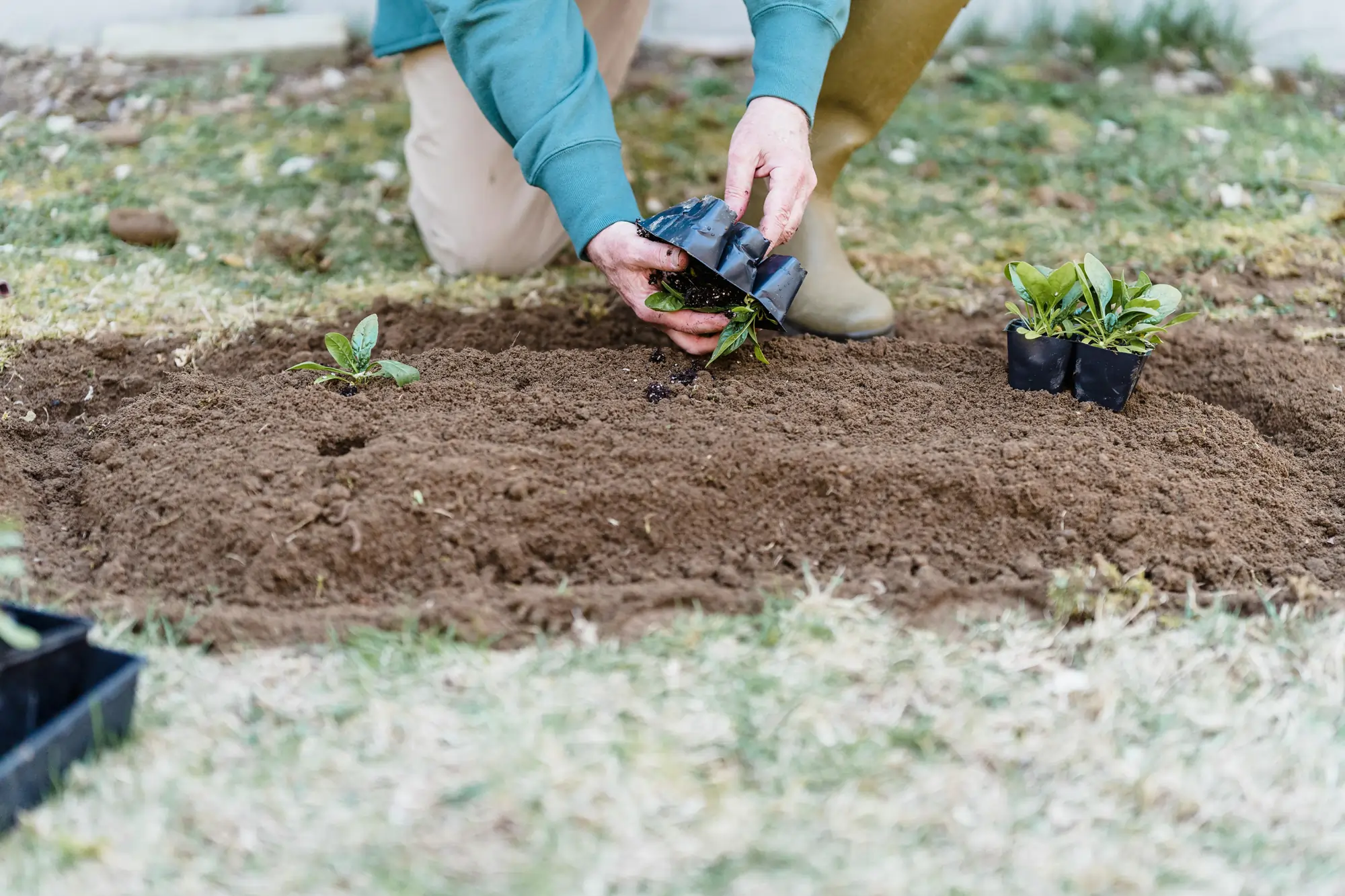
Garden beds can be protected against potential damage from these elements by mulching with compost, using cover crops or other materials to keep the soil structurally sound, and ensuring the soil retains its nutritional value; thus producing healthy plants when spring arrives.
Using Cover Crops to Protect in the Winter
By planting cover crops in late summer/early fall, you are protecting your garden from erosion in the winter months. In addition to preventing erosion, cover crops improve soil structure and add nutrients to the soil. Additionally, cover crops are turned under in the spring, providing you with a nutrient-rich soil to plant in.
Using cover crops as a method of protecting your garden long-term will also help reduce weeds and improve the quality of your soil naturally. This is a proven gardening technique that may not seem like a lot of work but has a tremendous impact on the success of your garden.
Conclusion: Resting Your Garden Properly
Winter is a time when you can allow your plants (plants) to prepare for the cold months ahead. You’ll learn that winterizing, or prepping, your garden has very little to do with controlling your plants and everything to do with taking good care of them. You’ll allow your garden to sleep through the winter by doing a great job of cleaning it up, protecting it, and preparing it to grow again come Spring!